Wellness enthusiasts are constantly exploring new ways to optimize health, reduce stress, and support balance. Two of the most talked-about trends right now—the CBD diet and the keto diet—may sound similar in focus, but they take very different paths to achieve wellness. While both aim to enhance energy and regulate the body’s internal systems, their methods and benefits set them apart.
What the CBD Diet Is All About
The CBD diet focuses on incorporating cannabidiol (CBD)—a non-psychoactive compound found in hemp—into one’s daily nutrition plan. It’s less about restricting macronutrients and more about enhancing overall wellness through balance and inflammation control.
CBD interacts with the endocannabinoid system (ECS), a regulatory network that influences mood, appetite, metabolism, and energy balance. By supporting ECS function, CBD can help manage stress hormones like cortisol, promote better sleep cycles, and even support gut health by reducing inflammation in the digestive tract.
People following a CBD-focused diet often add CBD oils, tinctures, capsules, or infused foods—such as green juices, protein powders, or smoothies—into their daily meal plans. The goal is to create homeostasis, where the body operates more efficiently and responds better to daily stressors.
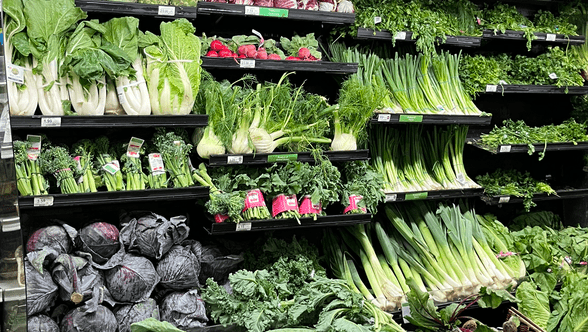
Unlike restrictive diets, a CBD diet encourages nutrient diversity, focusing on clean, whole foods while enhancing their effects with cannabinoid supplementation. Think of it as a nutritional upgrade rather than a limitation.
Understanding the Keto Diet
The ketogenic (keto) diet, on the other hand, is a low-carb, high-fat plan designed to shift the body into a metabolic state known as ketosis. During ketosis, the body burns fat for fuel instead of carbohydrates, which can promote fat loss and improve energy efficiency.
Typically, keto followers aim for a macronutrient ratio of 70–75% fat, 20–25% protein, and 5–10% carbohydrates. Foods like avocados, nuts, oils, fatty fish, eggs, and low-carb vegetables dominate the menu, while grains, sugars, and high-carb fruits are minimized.
The keto diet’s benefits are largely metabolic. Research shows it may improve insulin sensitivity, reduce hunger levels, and stabilize energy throughout the day. However, it requires consistent discipline to maintain ketosis, and some people experience temporary side effects such as fatigue or “keto flu” during the adjustment period.
Comparing the Two Approaches
While the CBD diet and keto diet both appeal to health-minded individuals, their foundations differ.
- Primary Focus:
- The CBD diet emphasizes balance, stress management, and inflammation reduction through cannabinoid supplementation.
- The keto diet centers around macronutrient manipulation to achieve fat-burning and metabolic efficiency.
- Flexibility:
- CBD nutrition is adaptable, allowing inclusion of most food groups.
- Keto eating is restrictive, requiring careful tracking of carbs and fats.
- Science and Mechanisms:
- CBD interacts with the endocannabinoid system, influencing neurotransmitters and hormonal balance.
- Keto affects the metabolic system, changing how the body processes and stores energy.
Interestingly, the two can complement each other. Some people incorporate CBD into a keto lifestyle to ease inflammation, reduce stress, and improve sleep—helping the body adapt more smoothly to ketosis.
Which One Is Right for You?
Choosing between the CBD diet and the keto diet depends on your wellness goals. Those seeking better mental balance, stress relief, or digestive support might lean toward a CBD-focused approach. Individuals looking to burn fat, improve insulin control, or increase metabolic efficiency may prefer keto.
Ultimately, both aim for the same outcome: a healthier, more balanced body and mind. Whether you infuse your morning smoothie with CBD or swap carbs for healthy fats, the key is consistency—and understanding how your body responds to each method.